


On 23 September 2026, National Records of Scotland released its annual report on drug-related deaths. 1,133 people died in 2025, 11% more than the year before, and Scotland's rate continues to be the highest in Europe. For a few days it was all over the headlines and opinion pages, there was an extended BBC feature, and the First Minister even commented on it.
Within a week the national news cycle had moved on, and everyone was instead talking about proposed changes to income tax.
Two weeks later we were back at Summerhall opening the first national tour of Concerned Others, three years after the show first debuted there. It's been strange watching that same cycle come round three times since we made the piece. Every year Scotland seems to talk nationally about drug deaths for a few days, briefly and grimly, and then it goes quiet for the rest of the year. It feels, at best, like a tokenistic and misjudged response to a nationally declared ‘public health emergency’.
What the numbers say
The 2025 figure came after a drop in drug-related death figures in 2024, it's the sixth highest figure on record. Deaths are 15 times higher in the most deprived parts of Scotland than in the least deprived.
Some things have genuinely moved since we first made the show in 2023. The Thistle opened in Glasgow in 2025 as the UK's first ever safer drug consumption facility, and in March of this year, the Scottish Government published Preventing Harm, Promoting Recovery, a ten-year plan replacing the national mission on drugs.
In a lot of ways though it still seems that the public conversation hasn’t particularly shifted, though. Open conversations around addiction and substance use still feel heavily stigmatised, and public awareness of the knowledge and skill that exists within Scotland’s network of community recovery organisations still feels very low.
365 days a year
Concerned Others came about kind of by accident, or rather it grew into its current shape as a result of a different original plan. Towards the end of the pandemic we started going out to communities across Scotland living with those figures every day, just to listen to their stories, as told by them.
We wanted to see if there was anything helpful that we could collaborate on, or support in the wider world of advocacy around substance addiction. One particular catch up with a consultant addiction psychiatrist led to the suggestion that we should think about creating something that supported the needs of families and carers, people who care and advocate for loved ones experiencing addiction every single day, but who very rarely got a seat at the table when it came to deciding wider policy.
From here we ended up speaking to about sixty people over six months, some in groups and some one-to-one over several conversations. And over time ideas for a live piece of performance started to form. Almost everyone we met had something they wanted people to know, a perspective they felt wasn’t being fully heard, or an idea that they wished was a greater part of the discourse around substance addiction. Lots of people didn't want their voice shared any further, some were happy to be heard but not named, and others were happy for everything to be shared as far as possible.
The same frustrations kept coming up, like the idea that public conversation only happens when substance related death figures are published, that recovery stories are hardly ever heard, that the weight of social stigma around addiction is massive and hugely impactful when it comes to reducing harm.
The time Scottish Families Affected by Alcohol and Drugs gave us was incredibly impactful, and I was really lucky to be able to join a couple of virtual recovery meetings in the Highlands - seriously powerful stuff. It's one of those strange things that hardly anyone knows, but lots of recovery meetings are open to anyone, and hearing people talk openly about their lives was pretty fundamental in shifting my own world view and reshaping my understanding of what addiction actually is.
Then being invited to a meeting with Families Campaign for Change was another huge privilege. They're a campaign group led by mums who've cared for children through recovery or active addiction. Many of them had lost children to addiction, and some were supporting people who'd been in recovery for years.
The stories they shared were very personal, heartbreaking and full of hope at the same time, and they were so open and honest with us. They also took absolutely no nonsense from anyone, which was great, and taught us not to shy away from the hardest parts of people's stories, and to make sure we weren't over-editing or changing people's words and what they meant by them.
Why make a show?
Out of these conversations, a more concrete idea for a show started to develop. Concerned Others became a fifty-minute tabletop piece made from the recorded words of the people we spoke to, and there's around twenty hours of conversation behind it, most of which didn't make it into the final cut.
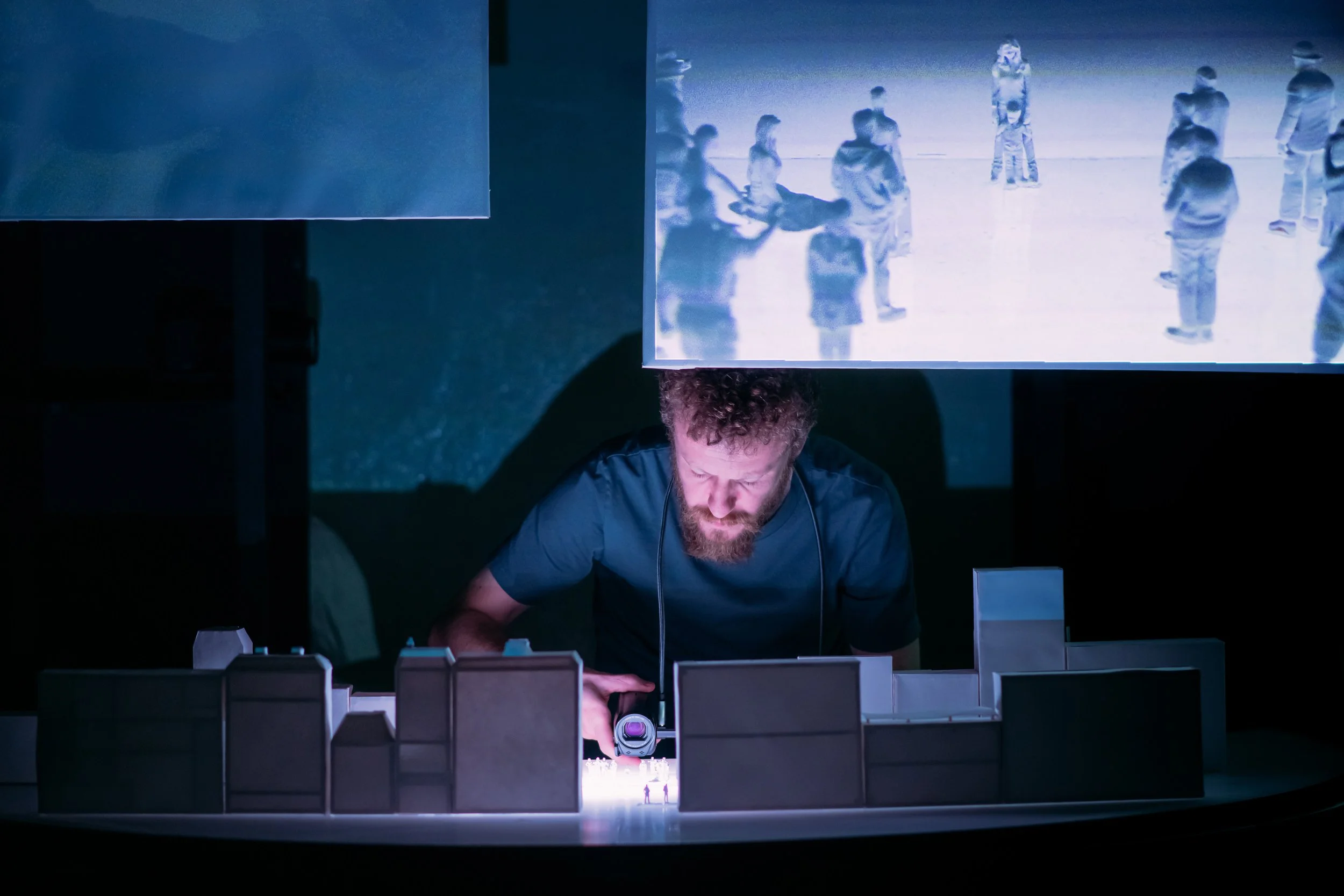
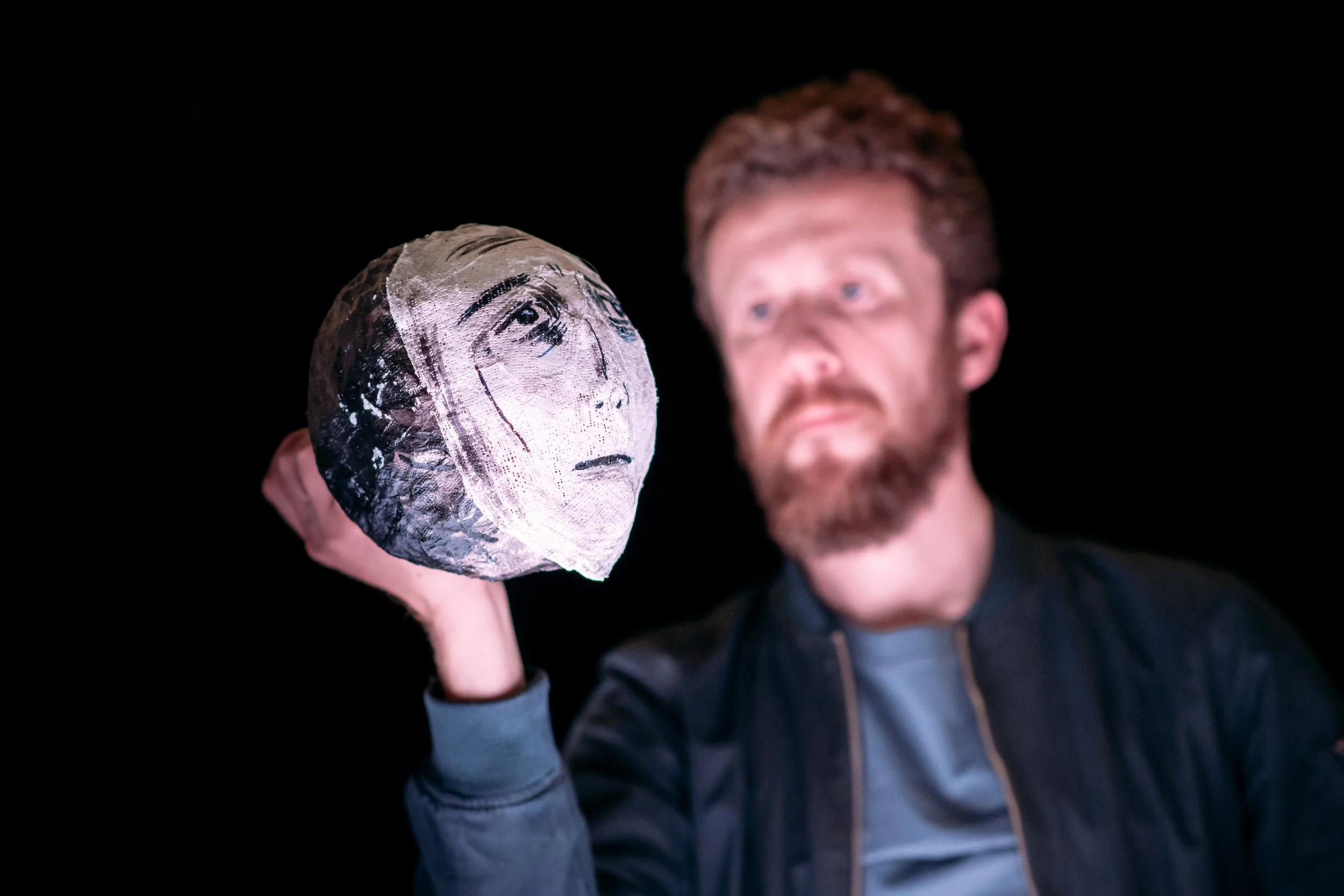
Alongside the voices we introduced light, soundscapes, shoebox installations, turntables, micro-projection and tiny 32mm figures to explore the visual spaces between what people had told us.
The idea was to create a unit of time for people to consider a complex subject in a detailed and cared-for way, and to pass on what people wanted to say rather than our own views. In some ways we're trying to recreate the experience we had making the piece, taking time to listen to people whose voices have historically been critically underheard.
I know that might feel like a tough ask to attend to some people, but it's a massively powerful thing to hear people talk about recovery and the collective strength it creates. The strongest part of the whole project for us has always been the chance to challenge our own assumptions, and hopefully it's a good way of sharing the words and stories of some incredible people.
Taking it back on the road
We opened at Summerhall on 9 October, where the show debuted three years ago, and we were so grateful to host many of the people who helped us make it. Some of them joined us on stage afterwards to take questions from the audience about the show, the organisations they represent and where Scotland is now.
They told us how much it meant to hear their own voices, and talked about what's got better in three years and what they still hope to see. A lot of them are still finding joy, success and change in their lives, which is an incredible thing to have been a small part of.
From Edinburgh we went to Platform in Easterhouse on 15 October and the Eastgate Theatre in Peebles on the 17th. At Grangemouth Town Hall on the 19th and 20th, Debbie joined one of our post-show panels. She's a real powerhouse in the recovery community up in the Highlands and leads a group running the SMART Recovery programme, among a whole host of other things, and there’s an extract of a conversation with her towards the end of the piece.
Then it was Paisley Arts Centre on the 25th, and finally The Barn in Banchory on 30 October where we were so happy to be joined by Stephanie from Families Campaign for Change for a really poignant discussion about her perspective caring for her son, and her experiences of being a Concerned Others.
This journey would not have been possible without the engagement and support of the community. We are beyond grateful to everyone who has taken their time, and trusted us with their stories, allowing us to listen, learn and better understand their perspectives and lived experiences.
The next eleven months
There'll be another set of drug related death figures next September in Scotland, and probably another week of coverage before the news moves on again, but we'd love for more people to hear from individuals fighting to have their stories heard the rest of the year round.
Thank you to everyone who shared their stories with us, on stage and off. We’re really hopeful that there will be some more sharing of Concerned Others to come, and we’ll make sure to post about that here if and when we have more news.
If you or someone close to you is affected by someone's drug or alcohol use, Scottish Families Affected by Alcohol and Drugs has a helpline and lots of great support resources on their website.
